

Hiking is more than just walking—it's a way to connect with nature while getting great physical and mental benefits. This article explains what hiking is, its different types, and how it boosts fitness and reduces stress. It also clears up common myths, compares hiking with other outdoor activities, and gives practical tips for beginners on gear and safety. Whether you're after a relaxing walk or a challenging trek, hiking has something for everyone.
What Is the Definition of Hiking?
Hiking is simply walking on a trail, usually in nature, like in forests, mountains, or along coastlines.
It's more than just a walk because it often involves uneven terrain and elevation changes, making it a bit of a challenge. Hikes can range from short walks in local parks to long, multi-day adventures in remote places. What makes it hiking is the effort and connection to nature.
Is hiking good exercise?
Yes, hiking is great exercise. It boosts your heart health, builds muscle, and improves stamina, especially on tough trails.
Is hiking a sport?
While hiking isn’t a competitive sport, it can be treated like one, especially for those who take on difficult trails or challenges.
Is hiking a full-body workout?
Yes, hiking works your whole body. It uses your legs, core, and upper body, especially when navigating rough terrain or carrying a backpack.
Types of Hiking
Hiking isn’t a one-size-fits-all activity. Different types of hikes vary in difficulty, terrain, and duration. Here are some of the most common types of hiking you might encounter:
|
Type of Hiking |
Description |
|---|---|
|
Day Hiking |
Short hikes, typically lasting a few hours. Suitable for all levels. |
|
Long-Distance Hiking |
Multi-day hikes, often involving more challenging terrains and remote locations. |
|
Backpacking |
Extended hikes with overnight stays, requiring a backpack with essential gear. |
|
Urban Hiking |
Hiking in urban areas, often on paved trails, can include parks and scenic routes. |
|
Trekking |
Demanding hikes in rugged terrain, often at high altitudes, requiring physical endurance. |
Why Choose Hiking? The Benefits of Hiking
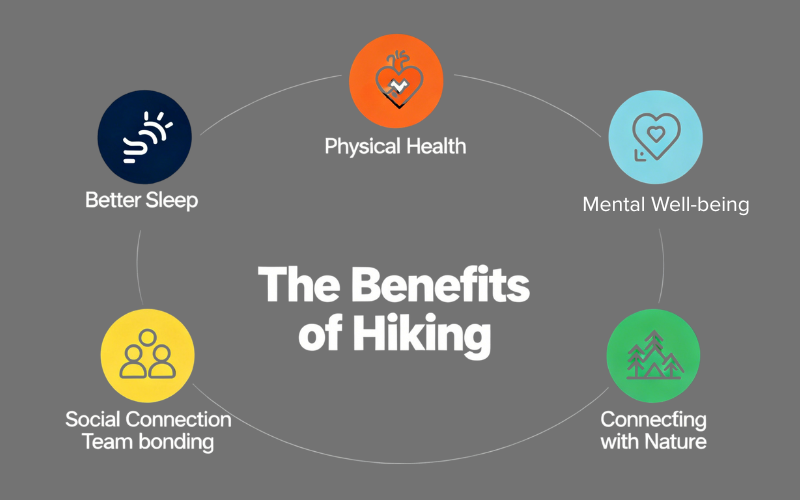
Hiking offers more than just a scenic walk—it’s a powerful way to improve both physical and mental health.
1. Physical Health
Hiking is great exercise. It improves cardiovascular health, strengthens muscles (especially legs and core), and helps with weight management. The varied terrain challenges different muscle groups, making it a full-body workout.
2. Mental Well-being
Hiking is a natural stress reliever. Being in nature reduces stress, boosts mood, and helps with anxiety and depression. The time spent outdoors also increases creativity and mental clarity, providing a much-needed mental break from daily life.
3. Connection with Nature
Hiking connects you to the natural world, offering peace and perspective. Whether in a forest, on a mountain, or along a coast, it deepens your appreciation for the environment and encourages a more sustainable lifestyle.
4. Social Connection
Hiking can be a social activity, offering a chance to bond with friends or meet new people. Shared challenges and scenic views create lasting memories and a sense of camaraderie.
5. Better Sleep
The physical activity and time outdoors promote better sleep. Hiking helps regulate your sleep cycle, making it easier to fall and stay asleep.
Common Misconceptions: What You Might Be Getting Wrong About Hiking
Here are some common myths about hiking and the truths behind them:
1. You Need Special Gear: While sturdy shoes are recommended, you don’t need expensive gear. For short hikes, sneakers and a water bottle are often enough.
2. Hiking Is Only for the Fit: Hiking is for everyone, regardless of fitness level. There are trails for all abilities, so start with easier hikes and build up as you go.
3. You Have to Go to Remote Places: You don’t need to venture into the wilderness to hike. Local parks, city trails, and even beaches can be great places to enjoy a hike.
4. Hiking Is Boring or Easy: Hiking offers a variety of challenges. Terrain changes, elevation, and natural beauty can make it a rewarding and exciting activity, whether it’s a short walk or a longer trek.
5. Hiking Takes Too Much Time: Many hikes can be done in a few hours, perfect for a quick escape into nature without committing a whole day.
Hiking vs Other Outdoor Activities
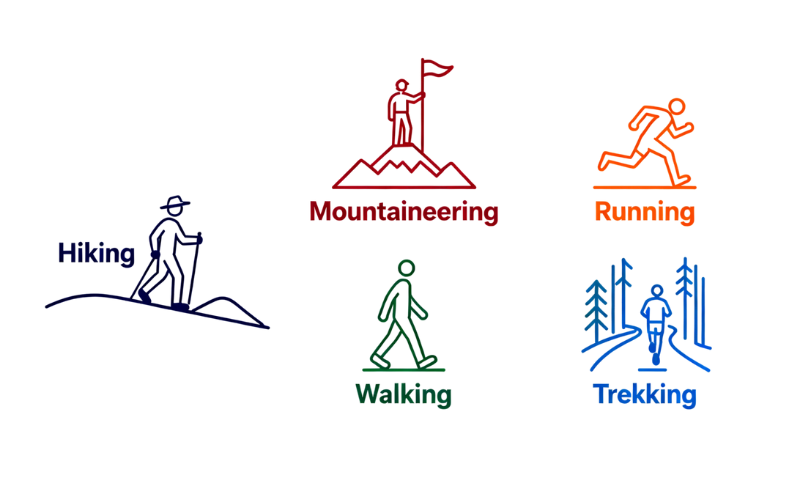
Hiking is often compared to other outdoor activities, but it has unique characteristics that set it apart. Let’s look at how it compares to a few other popular outdoor pursuits.
Hiking vs Walking
-
Hiking: Takes place on uneven natural terrain, often involving uphill sections, rugged paths, or obstacles like rocks, roots, and sometimes water crossings. It can challenge your endurance and strength as it moves through varied landscapes like forests, hills, or mountains.
-
Walking: Typically occurs on flat, paved surfaces like sidewalks or park paths. It’s a more leisurely activity, with less physical demand, often done for everyday exercise or casual strolls.
Mountaineering vs Hiking
-
Mountaineering: Involves climbing mountains, which requires technical skills and specialized equipment like ropes, ice axes, and crampons. It’s a physically demanding activity, often at higher altitudes, and includes elements of risk and danger.
-
Hiking: Refers to walking on marked trails or paths, usually with some elevation gain but not requiring advanced technical skills or equipment. Hiking generally focuses on enjoying the scenery and nature.
Hiking vs Running
-
Hiking: Involves walking at a slower pace, focusing on enjoying the outdoors and scenery. It’s usually done on rougher terrain, with varied elevation changes, and requires less cardiovascular effort compared to running.
-
Running: Involves faster-paced movement, aimed at improving endurance and speed. Running typically takes place on flat surfaces or smoother trails, though trail running can sometimes overlap with hiking in more rugged areas.
Hiking vs Trekking
-
Hiking: Usually refers to short or day-long walks on designated trails, suitable for a wide range of fitness levels. It can include moderate elevation and different terrains, but is generally less challenging than trekking.
- Trekking: A long-distance, multi-day journey often in remote or rugged locations. Trekking requires more physical endurance, preparation, and equipment, such as camping gear, and tends to involve more difficult terrain and longer time on the trail.
How to Start Hiking: Hiking for Beginners
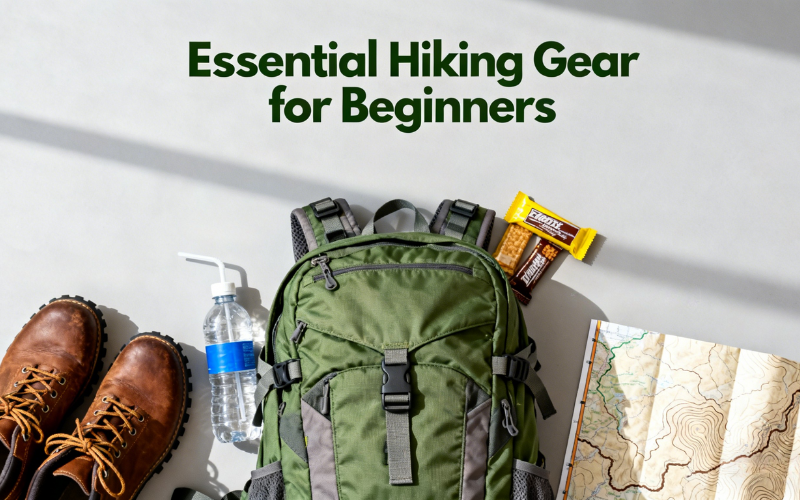
If you're new to hiking, it can feel a little overwhelming at first, but don’t worry—getting started is easier than you think! Here are a few simple steps to help you enjoy your first hike and set yourself up for success.
1. Choose the Right Trail
Start with an easy, well-marked trail. Look for beginner-friendly hikes that are short (around 3-5 miles) and don’t have steep inclines. Local parks and nature reserves often have great options for beginners. Websites and apps like AllTrails or local hiking groups can help you find the right trail.
2. Wear the Right Gear
Comfort is key when hiking. Make sure you wear:
-
Good footwear: Invest in a pair of sturdy, comfortable hiking shoes or boots with good grip. Avoid sandals or flip-flops, especially on rough terrain.
-
Layered clothing: Dress in layers so you can adjust based on weather changes. A moisture-wicking base layer and a light jacket are good starting points.
-
Daypack: Bring a small backpack with water, snacks, and essentials like sunscreen and a first-aid kit.
3. Pack Essentials
For a safe and enjoyable hike, bring the following hiking essentials:
-
Water: Hydrate before, during, and after your hike.
-
Snacks: Pack lightweight, high-energy foods like nuts, fruit, or granola bars.
-
Navigation Tools: A map, compass, or GPS device can be helpful, especially on unfamiliar trails.
-
First Aid Kit: Include basics like band-aids, pain relievers, and blister pads.
4. Know Your Limits
As a hiking beginner, don’t push yourself too hard. Start with short hikes and gradually work up to longer, more challenging trails. Pay attention to how your body feels—take breaks, and don’t hesitate to turn back if the trail feels too difficult.
5. Safety First
Always let someone know where you’re going, especially if you're hiking alone. Carry a phone (and a portable charger) in case of emergencies. Be aware of weather conditions, and avoid hiking in severe weather.
6. Follow the Trail Etiquette
Respect nature and fellow hikers by following the "Leave No Trace" principles:
- Stay on marked trails.
- Pack out all your trash.
- Be courteous—yield to uphill hikers on steep trails and give space to others on narrow paths.
7. Enjoy the Journey
Hiking is about more than just the destination. Take time to appreciate the beauty around you—whether it’s a quiet forest, a mountain view, or a peaceful lake. Stay present and embrace the calm that hiking can bring.
Hiking Clothes: The Layering System Explained
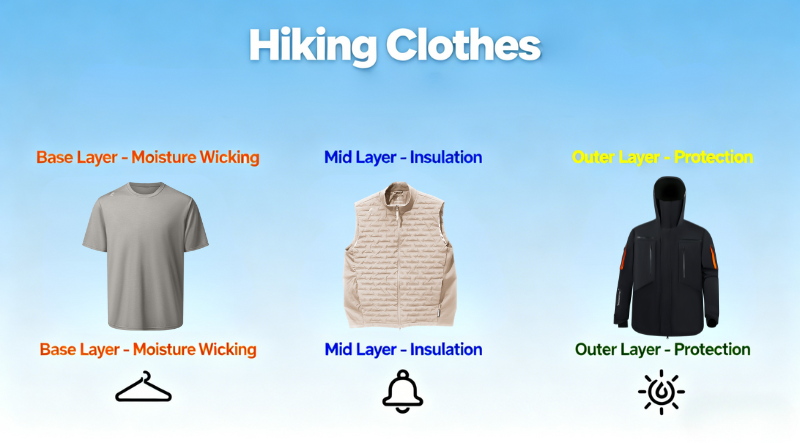
Figuring out what to wear on the trail can be as tricky as the terrain itself. The secret to comfort and safety in changing conditions isn't one miracle garment—it's a smart system of layers. Let's break down the three essential hiking clothing layers.
Base Layer: Your Second Skin
This layer sits directly against your skin. Its job is to wick sweat away from your body to keep you dry and prevent a dangerous chill.
The Golden Rule: Avoid cotton at all costs. Once wet, it stays wet.
The Solution: Opt for moisture-wicking materials like synthetic fabrics or merino wool.
Mid Layer: Your Insulating Core
The mid layer is all about trapping body heat. The key here is the warmth-to-weight ratio—staying warm without feeling bulky or restricted.
The Goal: Retain warmth while allowing for freedom of movement.
A Smart Solution: For dynamic hikes in cool weather, you need flexible core warmth. The Alpargali Graphene Vest, with its heat-trapping graphene back panel and breathable Sorona® insulation, is a perfect choice. It keeps your core warm without overheating, and its slim profile fits effortlessly under a shell.
Need More Coverage? The Graphene Lightweight Jacket offers the same advanced graphene and Sorona® technology in a full-jacket format, balanced with a Teflon™ water-repellent outer layer for light drizzle and wind.
Outer Layer: Your Weather Shield
This is your defense against the elements—wind, rain, and snow. A good outer layer must be both protective and breathable.
The Goal: Stay dry from the outside in and the inside out.
For Versatile, Breathable Protection: When you need a highly breathable layer that can handle wind, light rain, and cool conditions, the Alpargali CoreShell is a standout. Its high-density outer fabric and 10K/10K waterproof/breathable TPU membrane offer superior protection to a standard fleece, making it an ideal all-in-one piece for autumn and spring hikes.
For True All-Weather Defense: When facing persistent rain or snow, you need uncompromising protection. The Alpargati All-Weather Outdoor Jacket, with its robust 15K waterproof and breathable rating and DWR coating, is built to keep you dry and comfortable through sustained downpours and mountain storms.
The Ultimate Solution for Extreme Conditions
Hiking in the Rain
A rainy hike can be a refreshing adventure with the right preparation. Prioritize waterproof protection—a reliable shell jacket (like our All-Weather Outdoor Jacket with its 15K waterproof rating) is essential. Wear waterproof boots and slow your pace, as trails become slippery. Always check the forecast to avoid lightning storms.
Hiking in the Snow
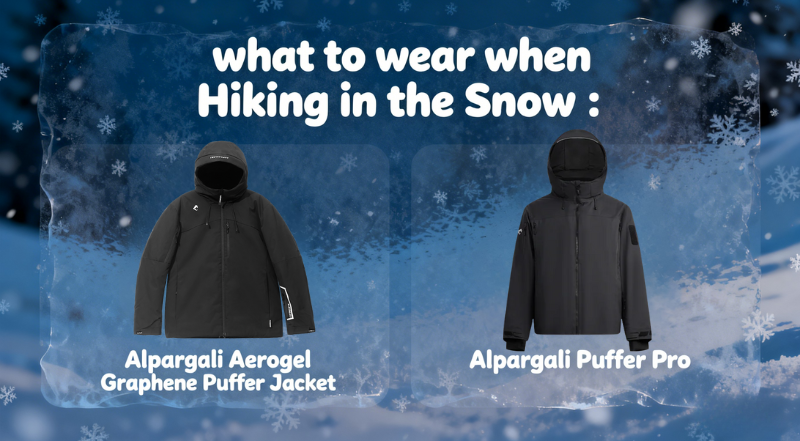
Winter hiking offers serene landscapes but demands more gear. Traction is key—microspikes are crucial for icy paths. Your insulation must be robust enough for plummeting temperatures.
This is where our most advanced insulation comes in. The Alpargali Aerogel Graphene Puffer Jacket is a formidable piece, integrating NASA-inspired aerogel and graphene within a Teflon™-treated shell for extreme, lightweight warmth suitable for temperatures as low as -40°C.
For those pushing into the most demanding environments, we developed its successor: the Alpargali Puffer Pro.
This jacket represents the pinnacle of our technology. It features a robust 3-layer Dermizax® shell (20,000mm waterproof) for maximum weather protection and a dual-insulation system that combines ET down mimic (in the front, sleeves, and hood) with an aerogel fiber cluster (in the back panel). This strategic design provides unparalleled, all-around warmth and mobility, making it the definitive choice for serious mountaineering, ski touring, or surviving extreme cold snaps.
Your definition of hiking is yours to write. It can be a peaceful escape, a physical challenge, or a journey of discovery. No matter the path you choose, the trail meets you where you are.
To help you go further and explore with confidence, Alpargali technical layers protect you from the elements, so you’re free to find your own answer to the question, “What is hiking?”
Equip yourself for the journey ahead with performance-driven jackets and vests.
Then, find your starting point. We’ve mapped out routes for every season and ambition.


